Eating with the Seasons of the Church
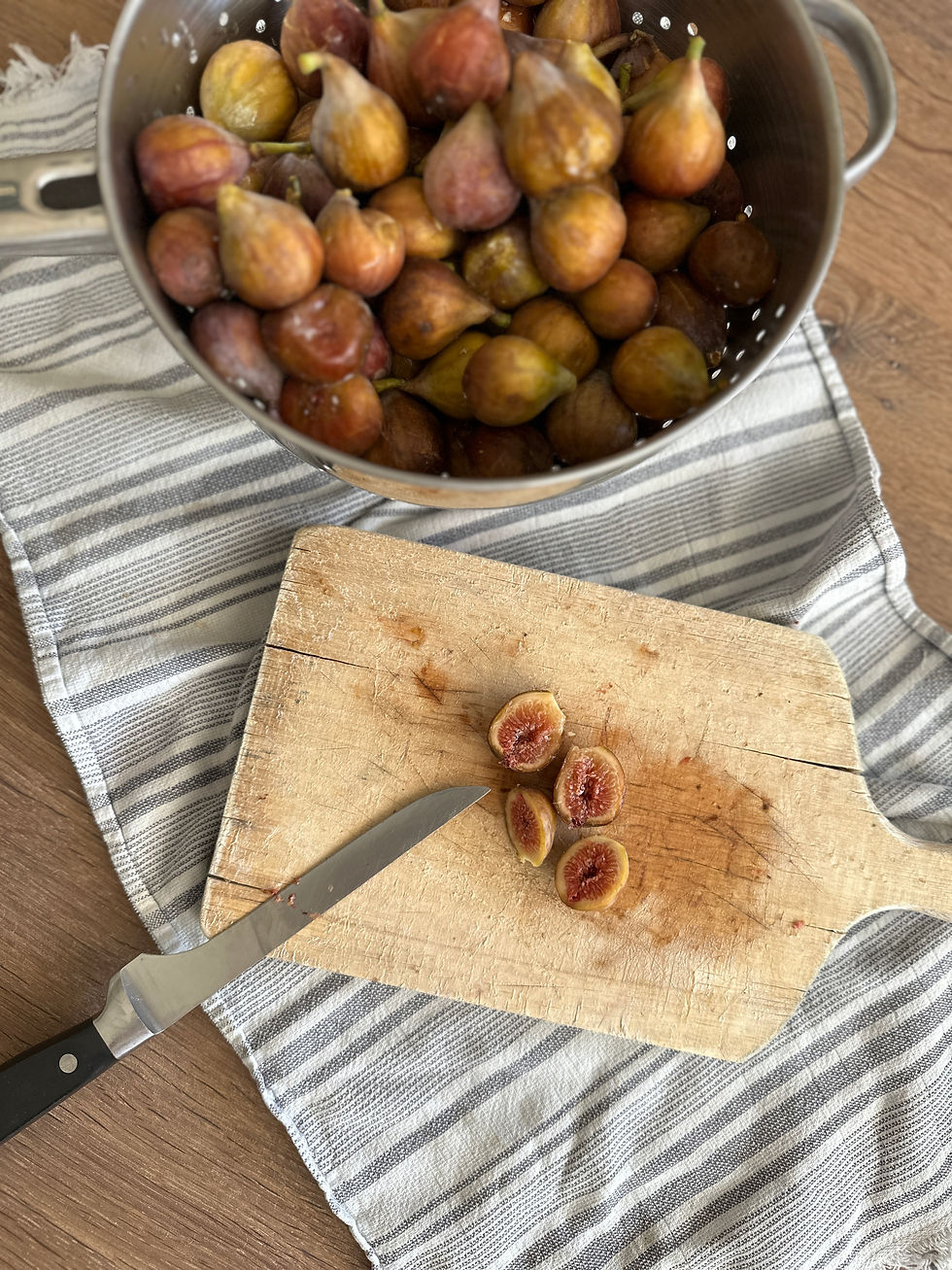
As I began my journey through the liturgical year, I often wondered how we got the food traditions that we have. For instance, why do we eat watermelon at the Feast of Saint Bartholomew? Why do we eat Cuccia made from wheat berries for the Feast of Saint Lucy? The answer is actually quite simple: those things were in season at the time of the feast day.
Throughout history, Christians around the world celebrated the liturgical year with meals that reflected both the seasons and the land where they lived. They gathered whatever was fresh and available in their region and transformed it into meals that honored the feasts and fasts of the Church. In Sicily, wheat berries were eaten for St. Lucia in December because wheat was a staple food, and the dish commemorated God’s provision during famine. In late August, watermelon appeared on tables for St. Bartholomew because it ripened during the heat of summer. In England, hot cross buns were baked during Lent and Easter when spices and dried fruits from winter stores were still available. In France, families feasted on galette des rois during Epiphany using butter, eggs, and preserved fruits saved for winter celebrations.
These traditions were not carefully curated for aesthetics or novelty. They were born naturally from a people who lived close to the land and ordered their lives around the rhythms of the Church. The liturgical year and the agricultural year were deeply intertwined. Feast days arrived as strawberries ripened, apples were harvested, wheat was gathered, or citrus came into season. Christians received these gifts with gratitude and folded them into their celebrations as a way of sanctifying time itself.
This practice wasn’t just about practicality; it was a profound way of living in harmony with God’s creation and appreciating the gifts He provides throughout the year. Before refrigeration and modern shipping, people simply ate what God provided in its season. There was anticipation and longing built into this way of life. Tomatoes were not expected in winter, and citrus was not available year-round. The arrival of certain foods marked the turning of the seasons and became woven into the memory of the feasts themselves.
In our modern world, where convenience often trumps tradition, it is easy to forget the richness that comes from eating seasonally. We can buy strawberries in December and apples in June without ever considering where they came from or what season we are in. Food has become disconnected from the earth, and often from gratitude itself. Yet there is something profoundly grounding about returning to this practice. When we choose to celebrate the liturgical year with foods that are in season, we reconnect with the natural rhythms established by a loving God who blesses us with bounty. We begin to notice again the world around the God who sustains it and us.
Eating seasonally also teaches us something important about the Christian life: there are seasons for everything. Seasons of feasting and seasons of fasting. Seasons of abundance and seasons of waiting. The Church calendar gently forms us through these rhythms year after year. The rich foods of Christmas and Easter feel more joyful after the simplicity of Advent and Lent. Fresh spring vegetables during Eastertide feel celebratory after the soups and preserved foods of winter. Even our meals begin to proclaim the story of redemption.

Practical Ways to Get Started
Know Your Seasons:
Start by familiarizing yourself with what’s in season in your area. Local farmers’ markets are wonderful places to learn about seasonal produce and even gain inspiration for your meals. Take note of what appears and disappears throughout the year.
Plan Liturgical Feasts:
As you plan your liturgical celebrations, think about how you can incorporate seasonal foods into your menus. A Lenten soup might feature spring onions and fresh greens. Pentecost could include strawberries or bright red foods. Michaelmas in autumn might feature apples, blackberries, or roast chicken. Advent desserts can incorporate winter spices, dried fruits, and citrus.
Try Traditional Recipes:
Look up traditional recipes connected to feast days and liturgical seasons. Many of these dishes have been passed down through generations and are deeply rooted in the seasonal bounty of their regions. These recipes connect us not only to the Church calendar but also to Christians throughout history who celebrated these same feasts around their own tables.
Get Creative:
Don’t be afraid to adapt recipes based on what is available where you live. The goal is not rigid historical reenactment, but learning to notice and celebrate God’s provision in your own region and season.
Involve the Family:
Make this a family affair. Bring your children to the farmers’ market, let them help prepare meals, and teach them why certain foods are connected to certain feasts. Over time, these traditions become part of the memory and culture of your home. The smell of cinnamon may begin to signal Advent. Fresh berries may remind them of Pentecost. Warm soups and homemade bread may speak of Lent.
When we begin to eat with the seasons of the Church and the seasons of the earth, we slowly recover something many Christians before us understood well: all of creation points back to God. Every harvest, every feast, every loaf of bread, and every shared meal becomes an opportunity to give thanks to the One from whom all good things come.


Comments