How to Celebrate the Feast of St. Simon and St. Jude

As we approach October 28, the Church prepares to honor St. Simon and St. Jude, two apostles often remembered together, and not by accident. Though their stories in Scripture are brief, tradition offers us a powerful portrait of faith, friendship, and joint mission.
These two men, among the original Twelve, are celebrated on the same day because of early Christian writings that link their missionary journey, and ultimately, their martyrdom, in Persia. Their feast invites us to reflect not only on their individual witness but also on the way God often works through partnerships.
St. Simon the Zealot
Simon is distinguished in the Gospels as “the Zealot,” a title likely indicating his fervor for God, and possibly a connection to the Jewish Zealot movement that resisted Roman rule. While we know little about his life beyond this, tradition fills in what Scripture leaves unsaid.
He’s often depicted in sacred art holding a saw, based on the account of his martyrdom, believed to have been sawn in half for preaching the Gospel.
St. Jude (Thaddeus)
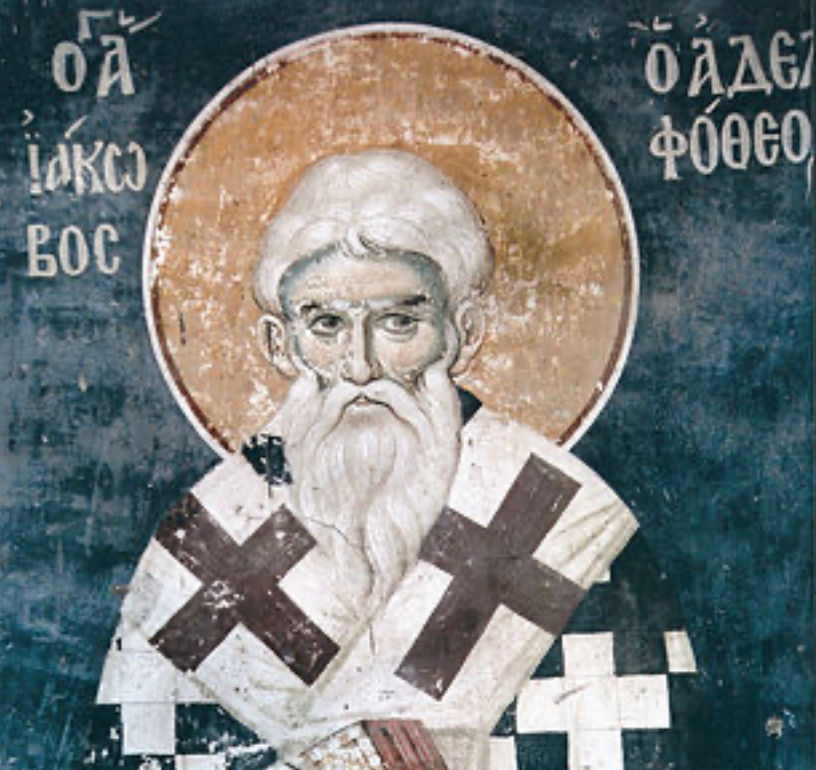
Not to be confused with Judas Iscariot, St. Jude, also called Thaddeus, was the brother of James the Less and a cousin of Jesus. In John 14:22, Jude asks Jesus why He would reveal Himself only to the disciples and not the world, giving us a glimpse into his reflective spirit.
Jude is also the author of the Epistle of Jude, a short but striking letter full of vivid imagery and warnings against false teaching. It includes fascinating references to non-canonical texts, like the Book of Enoch and the mysterious dispute between Michael the Archangel and Satan over Moses’ body. And yet, the letter ends with one of the most beautiful doxologies in Scripture, a confident praise of God’s power and faithfulness.
The Legend of King Abgar & the Image of Edessa
One of the most well-loved traditions about St. Jude tells of King Abgar V of Edessa, who suffered from leprosy and wrote to Jesus asking for healing. Jesus, unable to travel due to His mission in Jerusalem, promised to send a disciple after His Ascension.
According to legend, Jesus pressed His face to a cloth, leaving a miraculous image behind, a cloth that Jude later brought to King Abgar. Upon receiving it, the king was healed, and he, along with many in his city, converted to Christianity.
This cloth, known as the Image of Edessa or the Mandylion, became one of the most revered relics in early Christianity and may have even influenced devotion to the Shroud of Turin. This is why Jude is often shown holding a small image of Christ’s face.
The Acts of St. Simon and St. Jude
Apocryphal writings from the early Church also preserve a dramatic account of their shared missionary work in Persia. In these texts, Simon and Jude boldly preach the Gospel in Babylon, confronting two powerful magicians who try to resist them with enchantments.
But through miracles worked in the name of Christ, the apostles prevail. Conversions follow, churches are planted, and eventually, both men give their lives in witness to the Gospel. Simon is said to have been sawn in half; Jude, beaten to death with a club.
Their relics are honored today in St. Peter’s Basilica in Rome, a quiet testimony to their partnership and courage.
Ideas for Celebrating at Home
Because their feast falls just days before All Saints and All Souls, it’s the perfect moment to begin leaning into the end-of-October liturgical shift.
Here are a few ways to mark the day:
✶ Read the Epistle of Jude
Even just once a year, this short letter reminds us of the early Church’s urgency and confidence in Christ. Its final verses (24–25) are beautiful for memorization or prayer.
✶ Locate Ancient Persia on a Map
Show your children (or yourself!) the distance between Israel and the region historically known as Persia, now mostly Iran. Imagine what it took to carry the Gospel that far in the first century.
✶ Make Soul Cakes
Traditionally baked leading up to All Hallows’ Eve and All Saints Day, these simple spiced cakes were given to the poor or eaten in remembrance of the faithful departed. Their preparation on this feast day is a gentle way to begin observing the coming days with intention. Recipe at the end of the article.
A Feast of Holy Partnership
As we celebrate St. Simon and St. Jude, we remember that God often sends us not alone, but together. Their joint witness invites us to consider our own relationships and collaborations, especially in ministry, evangelism, or the quiet faithfulness of daily life.
May these apostles strengthen our courage, deepen our love for the Gospel, and teach us what it means to serve together in Christ’s name.
the recipe -

Soul Cakes
¾ cup butter, room temperature
1 cup white granulated sugar
3 egg yolks medium size
3 ¾ cups flour
1/2 teaspoon cinnamon
1/2 teaspoon ginger
1/2 teaspoon cloves
1/2 teaspoon nutmeg.
½ cup raisins
6-7 Tablespoons milk
2 Tablespoons powdered sugar for dusting (optional)
Preheat the oven to 350 F. Cream the butter and sugar together in a large bowl. Add the egg yolks and mix again. Sift the flour and spices into the butter/sugar mixture. Gradually add the milk, combining with a spatula until the dough comes together. Transfer the dough to a floured surface. Knead the dough with your hands until well combined. Add half the raisins, and knead them in the dough. Add the rest of the raisins while kneading the dough. Roll the dough with a rolling pin about 1/4 inch thick. Cut the cakes into round shapes using a round cookie cutter. Transfer the cakes to a baking tray, layered with parchment paper. Leave space between the cakes. Cut a cross on each cake. Bake 15-20 minutes until golden. Dust the cakes with powdered sugar.


Comments