The Feast of St. Simon and St. Jude: Apostles, Missionaries, and Martyrs

On October 28th, the Church celebrates the Feast of St. Simon and St. Jude, two of the lesser-known apostles chosen by Jesus to become part of the Twelve.
Scripture tells us very little about either man. They do not receive the attention given to Peter, John, or Matthew, and none of the Gospels gives us a detailed account of their later ministries. Yet their relative obscurity is part of what makes their feast so meaningful. The Church was built not only through apostles whose words and actions fill entire chapters of Scripture, but also through faithful men whose service was largely hidden from history.
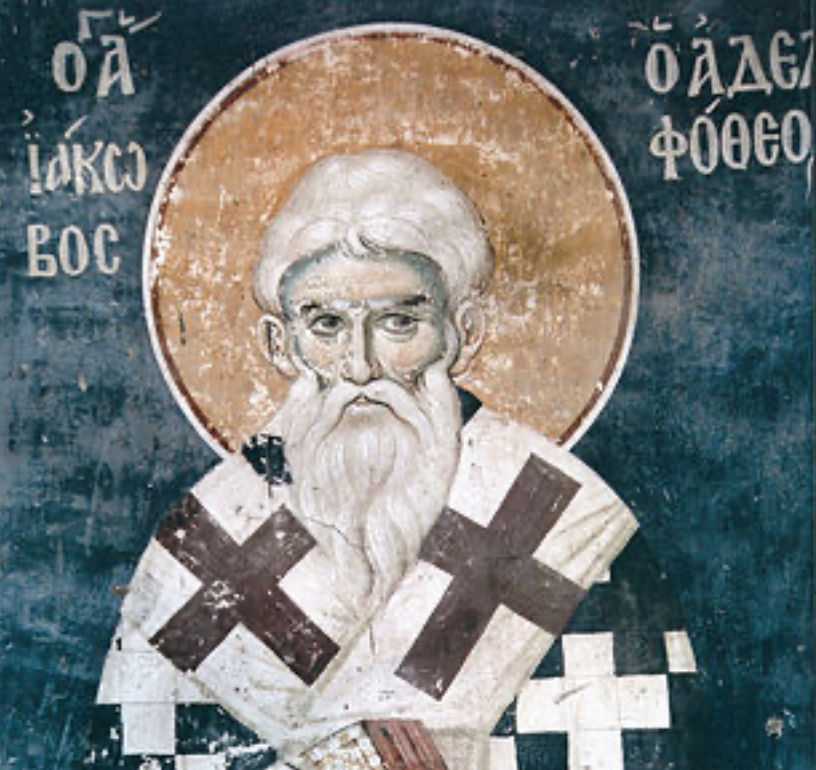
The Western Church has remembered Simon and Jude together for centuries. According to Church tradition, they traveled together as missionaries, carrying the Gospel into Persia, where they continued preaching Christ until they were martyred for their faith. The Church celebrates them together in honor of their shared mission, their courage, and their faithfulness to Christ even unto death.
Members of the Twelve
Before considering the individual stories of Simon and Jude, it is important to remember what they shared.
Both men were personally chosen by Jesus as members of the Twelve. They traveled with Him, heard His teaching, witnessed His miracles, and lived in the community He formed around Himself. They saw His suffering and death, encountered Him after the Resurrection, and received His commission to carry the Gospel into the world.
After the Ascension, they gathered with the other apostles in Jerusalem and waited for the promised Holy Spirit. At Pentecost, they were empowered to become witnesses to Christ in Jerusalem, Judea, Samaria, and to the ends of the earth.
Even though Scripture does not preserve the details of their ministries, Simon and Jude belonged to the apostolic foundation upon which the Church was built.
St. Simon the Zealot
Simon is distinguished from Simon Peter by the titles “the Zealot” and “the Cananaean.” These titles appear to describe his zeal for God and his passionate attachment to the Jewish faith.
Some have suggested that Simon may have been associated with revolutionary resistance against Roman rule. We cannot know his precise political commitments from Scripture, and the organized Zealot movement became especially prominent later in the first century. Still, his title suggests a man of intensity, conviction, and fervent devotion.
The presence of Simon and Matthew among the same Twelve gives us a remarkable picture of the community Jesus created. Matthew had worked as a tax collector within the Roman system, while Simon’s title suggests strong Jewish opposition to foreign rule. Under ordinary circumstances, these two men might have regarded one another as enemies. Jesus called them both.
Whatever their previous political loyalties or personal suspicions may have been, they were brought to the same table, placed within the same apostolic community, and sent to proclaim the same Lord. Their presence together reminds us that allegiance to Christ is greater than the social and political divisions that would otherwise separate us.
Traditions concerning Simon’s later ministry vary. Some place him in Egypt or North Africa, while the Western tradition remembers him traveling with Jude into Persia. There they preached the Gospel and ultimately suffered martyrdom.
In Christian art, Simon is often shown holding a saw, the instrument of his martyrdom. According to Church tradition, he was sawn in half for preaching the Gospel, and the saw became the symbol by which generations of Christians have recognized him.
St. Jude Thaddeus
St. Jude is called Thaddeus in the Gospels of Matthew and Mark. Luke and Acts refer to a disciple named “Judas of James,” and John carefully identifies him as “Judas, not Iscariot.”
The distinction mattered. Jude shared a name with the disciple who betrayed Jesus, but his life bore a very different witness.
Christian tradition has generally identified Jude Thaddeus with the Jude who calls himself “a servant of Jesus Christ and brother of James” at the beginning of the Epistle of Jude. Some traditions also remember him as a relative of Jesus. Because several men named Jude and James appear in the New Testament, the precise family relationships are difficult to establish with certainty, but the Church has long received these connections as part of his story.
Only one statement from Jude is preserved in the Gospels. During the Last Supper, Jesus tells His disciples that He will reveal Himself to them. Jude asks:
“Lord, how is it that you will manifest yourself to us, and not to the world?”—John 14:22
Jesus responds by speaking about love, obedience, and the indwelling presence of God:
“If anyone loves me, he will keep my word, and my Father will love him, and we will come to him and make our home with him.”
Jude’s question gives rise to one of Christ’s most beautiful promises. Jesus will make Himself known not through worldly power or spectacle, but by dwelling with those who love Him and keep His word.
The Epistle of Jude
The Church has traditionally associated St. Jude with the short New Testament letter that bears his name.
The Epistle of Jude contains only one chapter, but its message is urgent and vivid. Jude warns the Church about false teachers and calls Christians to “contend for the faith that was once for all delivered to the saints.”
His letter includes references to Jewish traditions not found elsewhere in Scripture. He draws from the Book of Enoch and refers to a mysterious dispute between Michael the Archangel and the devil over the body of Moses.
But Jude does not merely warn Christians about error. He also tells them how to remain faithful:
“Build yourselves up in your most holy faith; pray in the Holy Spirit; keep yourselves in the love of God.”
He instructs Christians to have mercy on those who doubt, combining a serious defense of truth with compassion toward those whose faith is wavering.
The letter ends with one of the most beautiful doxologies in the New Testament:
“Now to him who is able to keep you from falling, and to present you without blemish before the presence of his glory with rejoicing, to the only God, our Savior, through Jesus Christ our Lord, be glory, majesty, dominion, and authority, before all time and now and forever. Amen.”
Jude’s confidence rests not in his own strength, but in the faithfulness of the God who is able to preserve His people.
King Abgar and the Image of Edessa
One of the best-known traditions associated with St. Jude developed from the story of King Abgar of Edessa.
According to the early Church historian Eusebius, King Abgar suffered from a serious illness and wrote to Jesus asking Him to come to Edessa and heal him. Jesus did not leave His mission in Jerusalem but promised that, after His Ascension, one of His disciples would be sent to the king.
In the earliest account, the disciple who travels to Edessa is named Thaddeus or Addai and is described as one of the Seventy disciples. He preaches the Gospel, heals Abgar, and helps establish the Christian faith in the city. Over time, this Thaddeus became closely associated with Jude Thaddeus.
The tradition continued to develop through the centuries. Later accounts included an image of Christ that was brought to the king. In one version, a court painter attempts to paint Jesus. In another, Jesus presses a cloth to His face and leaves behind a miraculous image not made by human hands.
This cloth became known as the Image of Edessa or the Mandylion and was deeply revered in Eastern Christianity. Because of this tradition, St. Jude is sometimes depicted holding a small image of Christ’s face.
Their Mission to Persia
Later Christian tradition remembers Simon and Jude traveling together into Persia to proclaim the Gospel.
An apocryphal account known as the Passion of Simon and Jude describes the apostles preaching in Babylon and confronting two magicians who opposed their work. Through miracles performed in the name of Christ, the power of the false gods is defeated, people are converted, and Christian communities are established.
The story eventually brings the two apostles to a pagan temple, where they refuse to sacrifice to the gods. Knowing that their refusal will lead to death, they choose martyrdom rather than deny Christ.
According to Western tradition, Simon was sawn in half, while Jude was beaten or struck with a club. This is why Simon is represented by a saw and Jude by a club, axe, or halberd in Christian art.
Other traditions give different accounts of their ministries and deaths, and we cannot reconstruct their final years with historical certainty. Yet the Church’s memory of them is consistent in what matters most: they carried the Gospel beyond the familiar world and remained faithful to Christ even when that faithfulness cost them their lives.
Relics traditionally identified as those of Simon and Jude are venerated together in St. Peter’s Basilica in Rome, continuing the Church’s remembrance of their shared witness.
A Feast of Apostolic Partnership
We cannot know exactly how long Simon and Jude traveled together or what their daily friendship looked like. But the Church’s tradition of remembering them as missionary companions gives us a beautiful picture of Christian partnership.
Jesus often sent His disciples out together. The work of the Gospel was never meant to depend entirely upon isolated individuals. Christians pray, serve, discern, suffer, and persevere within the fellowship of the Church.
Simon and Jude remind us to give thanks for the people God places beside us: spouses, friends, fellow parishioners, ministry partners, teachers, and others who help us remain faithful. Their feast invites us to consider not only what God is asking us to do, but also whom He may be calling us to do it with.
Ways to Celebrate the Feast of St. Simon and St. Jude
Read the Epistle of Jude
The entire letter can be read in only a few minutes. Pay particular attention to verses 20–25, where Jude calls Christians to prayer, perseverance, mercy, and confidence in God.
You might memorize the final doxology or use it as a family prayer at the end of the day.
Read Jude’s Question at the Last Supper
Read John 14:22–24 and talk about Jesus’ answer. What does it mean to love Christ, keep His word, and become a dwelling place for the presence of God?
Find Ancient Persia on a Map
Locate Jerusalem, Edessa, Babylon, and the region once known as Persia, now largely contained within modern Iran. Consider the distances involved and what it would have required to carry the Gospel across them in the first century.
Explain that the Persian journey comes to us through Church tradition, but that it reflects the apostolic calling to take the Gospel beyond Israel and into the nations.
Make a Persian-Inspired Meal
Prepare a Persian dish in honor of the tradition that places Simon and Jude’s final mission in Persia. Rice with saffron, flatbread, roasted meat, herbs, dates, pistachios, or pomegranates could all become part of the meal. We’re making Ranginak, a Persian Date Walnut Dessert. It’s so easy to make and so good! (Recipe at the end of the post.)
As you eat, pray for Christians living in Iran and throughout the Middle East, especially those who worship under pressure or persecution.
Remembering St. Simon and St. Jude
St. Simon and St. Jude are not important because we possess detailed biographies of their lives. They are important because Jesus called them.
They left behind whatever lives they had known, became part of the Twelve, and received the responsibility of carrying Christ’s teaching into the world. Church tradition remembers them continuing that work together, traveling far from home and ultimately surrendering their lives rather than abandoning the Gospel.
Their feast reminds us that faithfulness does not require recognition. Much of the work through which God builds His Church remains hidden from history. Simon and Jude show us that a life can be largely unknown to the world and still be wholly known, used, and honored by God.
the recipe -

Ranginak (Persian Date Walnut Dessert)
20 Medjool dates
3/4 cup walnuts
6 tbsp unsalted butter
3 tbsp vegetable oil
1 cup all purpose flour
1 tsp cinnamon
Topping
Ground pistachios
Desiccated coconut
Edible rose petals
Using a knife, cut the dates open on one side. Take out and discard the seeds.
Stuff the dates with the walnuts and arrange them on a plate in one layer. Set aside.
Heat the oil in a pan and add the butter. Add the flour and cook until it’s brown and smells nutty, about 15 minutes. Stir constantly to avoid clumps and for the flour to cook evenly. Make sure not to overcook, otherwise the flour will burn and taste bitter.
Spoon the flour mixture very carefully all over the dates and make sure they’re all covered. Top with the cinnamon.
Let ranginak sit for 10 minutes. Then top with ground pistachios, desiccated coconut and rose petals.
Recipe from www.unicornsinthekitchen.com


Comments